How mold buyers and manufacturing teams can review an injection mold before final acceptance, tool runoff, production handoff, and long-term maintenance planning matters because custom manufacturing decisions are usually made before the first production problem appears. Buyers, engineers, and quality teams can reduce risk when they review the design, process, inspection plan, and supplier communication together.
This guide focuses on practical checks for Mold Making projects. It avoids unrealistic promises and instead explains what to confirm, what to ask, and how to keep the project moving with fewer surprises.
For a non-commercial reference on this issue, review Mold making video while comparing the manufacturing symptom against the process evidence.

Begin acceptance with the mold’s production job
Mold acceptance should begin with the part’s production purpose, not only with a visual look at polished steel. The reviewer should know expected material, annual volume, critical dimensions, cosmetic faces, cycle targets, maintenance access, spare-part needs, and the level of trial evidence required before handoff. The review should connect the part’s real use with material behavior, process limits, inspection method, finishing, packaging, and delivery expectations. When these items are discussed early, the supplier can recommend changes before time and money are committed.
For related service context, review OxRapid Manufacturing while checking how the requirement fits the larger manufacturing plan.
A helpful way to work is to mark each requirement as critical, preferred, or flexible. Critical items protect fit, safety, durability, or customer-facing appearance. Preferred items improve the product but can be adjusted if the supplier explains the tradeoff. Flexible items give the manufacturing team room to simplify tooling, setup, finishing, or inspection.
For related service context, review Injection Molding Gate Design Checklist for Better Fill, Packing, and Ejection while checking how the requirement fits the larger manufacturing plan.
Confirm mold identification, drawings, and change history
Before tool runoff, the mold number, cavity count, material data, latest part revision, electrode records, cooling layout, hot runner information, and accepted engineering changes should be aligned. A mold can be beautifully built and still create risk if documentation does not match the steel. The review should connect the part’s real use with material behavior, process limits, inspection method, finishing, packaging, and delivery expectations. When these items are discussed early, the supplier can recommend changes before time and money are committed.
For related service context, review Laser Cutting vs Waterjet vs Plasma: How to Choose the Right Process for Sheet Metal Parts while checking how the requirement fits the larger manufacturing plan.
A helpful way to work is to mark each requirement as critical, preferred, or flexible. Critical items protect fit, safety, durability, or customer-facing appearance. Preferred items improve the product but can be adjusted if the supplier explains the tradeoff. Flexible items give the manufacturing team room to simplify tooling, setup, finishing, or inspection.
Inspect parting line, shutoffs, vents, and cavity surfaces
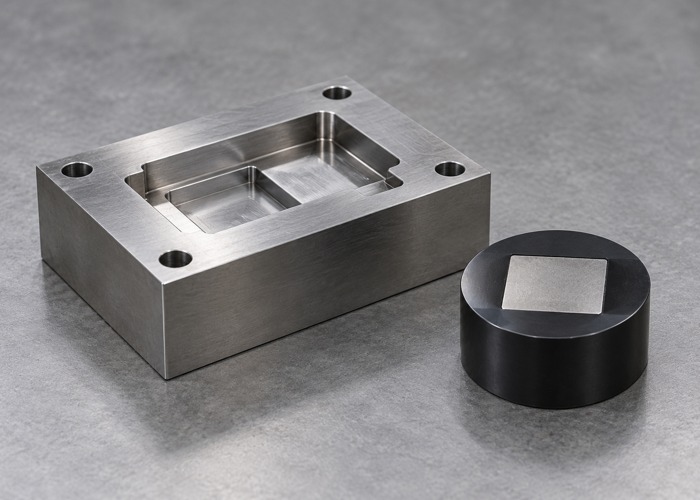
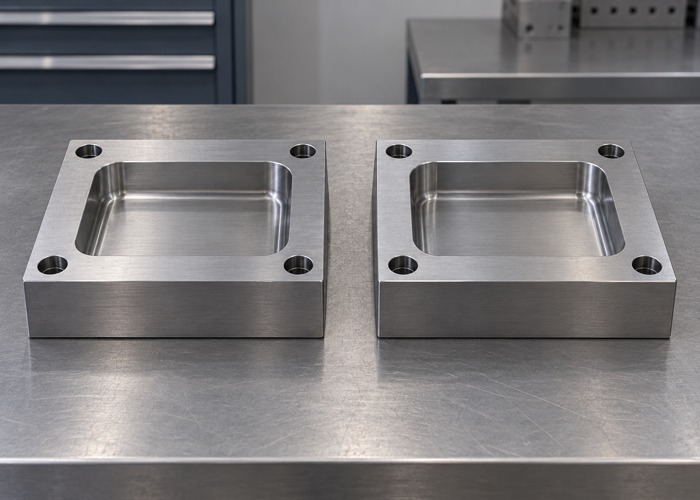
Parting line quality, shutoff fit, vent condition, texture, polish, and cavity damage should be checked under practical lighting. These features influence flash, drag marks, burn marks, trapped air, surface defects, and maintenance frequency. The checklist should record concerns before production pressure makes changes harder. The review should connect the part’s real use with material behavior, process limits, inspection method, finishing, packaging, and delivery expectations. When these items are discussed early, the supplier can recommend changes before time and money are committed.
For related service context, review CNC Machining Design Review Checklist for Thin Walls, Threads, Deep Pockets, and Tight Corners while checking how the requirement fits the larger manufacturing plan.
A helpful way to work is to mark each requirement as critical, preferred, or flexible. Critical items protect fit, safety, durability, or customer-facing appearance. Preferred items improve the product but can be adjusted if the supplier explains the tradeoff. Flexible items give the manufacturing team room to simplify tooling, setup, finishing, or inspection.
Review cooling, water circuits, and leak evidence
Cooling quality affects cycle time, warpage, dimensional stability, and tool life. Acceptance review should include circuit labeling, flow direction, leak checks, connectors, baffles, bubblers, O-rings, and whether the maintenance team can clean or troubleshoot the circuits later. The review should connect the part’s real use with material behavior, process limits, inspection method, finishing, packaging, and delivery expectations. When these items are discussed early, the supplier can recommend changes before time and money are committed.
For related service context, review 3D Printing Dimensional Accuracy Guide for Holes, Threads, Mating Parts, and Test Assemblies while checking how the requirement fits the larger manufacturing plan.
A helpful way to work is to mark each requirement as critical, preferred, or flexible. Critical items protect fit, safety, durability, or customer-facing appearance. Preferred items improve the product but can be adjusted if the supplier explains the tradeoff. Flexible items give the manufacturing team room to simplify tooling, setup, finishing, or inspection.
For related service context, review Mold Cooling Design Guide for Faster Cycles and More Stable Plastic Parts while checking how the requirement fits the larger manufacturing plan.
Check ejection, slides, lifters, and moving mechanisms
Ejector pins, return pins, slides, lifters, wear plates, guide components, and locking features must move smoothly and return repeatably. Any rubbing, burrs, weak springs, poor lubrication access, or unclear wear surface can become a production downtime problem after the first successful samples. The review should connect the part’s real use with material behavior, process limits, inspection method, finishing, packaging, and delivery expectations. When these items are discussed early, the supplier can recommend changes before time and money are committed.
For related service context, review CNC Machining Troubleshooting Guide for Burrs, Chatter, Tool Marks, and Dimensional Drift while checking how the requirement fits the larger manufacturing plan.
A helpful way to work is to mark each requirement as critical, preferred, or flexible. Critical items protect fit, safety, durability, or customer-facing appearance. Preferred items improve the product but can be adjusted if the supplier explains the tradeoff. Flexible items give the manufacturing team room to simplify tooling, setup, finishing, or inspection.
Use sample parts to judge mold behavior
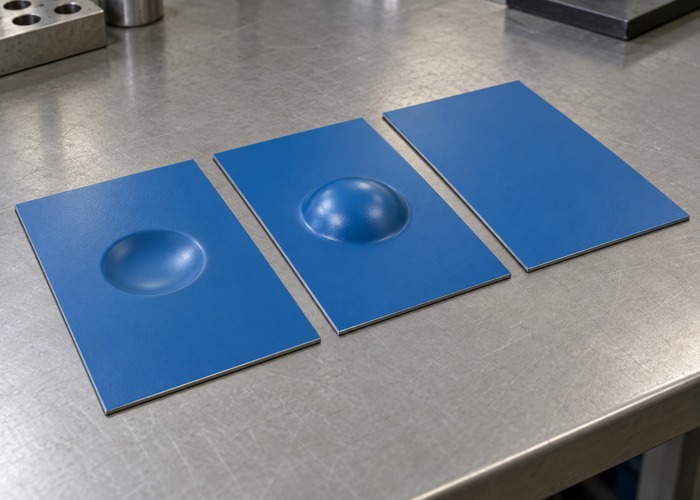
Sample parts should be treated as evidence from the tool, not only as items to approve. Short shots, first samples, packed samples, dimensional reports, gate vestige photos, sink marks, flash areas, and cavity-to-cavity comparisons help reviewers understand whether the mold is ready for stable production. The review should connect the part’s real use with material behavior, process limits, inspection method, finishing, packaging, and delivery expectations. When these items are discussed early, the supplier can recommend changes before time and money are committed.
For non-commercial background, see OSHA plastics machinery guidance and use it as a reference when discussing safety, terminology, or process risk.
A helpful way to work is to mark each requirement as critical, preferred, or flexible. Critical items protect fit, safety, durability, or customer-facing appearance. Preferred items improve the product but can be adjusted if the supplier explains the tradeoff. Flexible items give the manufacturing team room to simplify tooling, setup, finishing, or inspection.
Prepare handoff notes for production and maintenance
A mold accepted without handoff notes can fail later through misuse rather than bad toolmaking. Include startup settings, safe handling points, lubrication intervals, spare inserts, critical wear areas, water circuit notes, and any accepted compromise that production should monitor. The review should connect the part’s real use with material behavior, process limits, inspection method, finishing, packaging, and delivery expectations. When these items are discussed early, the supplier can recommend changes before time and money are committed.
For non-commercial background, see OSHA plastics industry overview and use it as a reference when discussing safety, terminology, or process risk.
A helpful way to work is to mark each requirement as critical, preferred, or flexible. Critical items protect fit, safety, durability, or customer-facing appearance. Preferred items improve the product but can be adjusted if the supplier explains the tradeoff. Flexible items give the manufacturing team room to simplify tooling, setup, finishing, or inspection.
For non-commercial background, see OSHA machine guarding overview and use it as a reference when discussing safety, terminology, or process risk.
Separate acceptance issues from future improvement ideas
Not every observation should block tool acceptance, but every observation should be categorized. Critical issues affect part quality, safety, tool function, or production readiness. Improvement notes may guide the next revision, spare tooling, or process window adjustment without delaying shipment unnecessarily. The review should connect the part’s real use with material behavior, process limits, inspection method, finishing, packaging, and delivery expectations. When these items are discussed early, the supplier can recommend changes before time and money are committed.
For non-commercial background, see NIOSH hierarchy of controls and use it as a reference when discussing safety, terminology, or process risk.
A helpful way to work is to mark each requirement as critical, preferred, or flexible. Critical items protect fit, safety, durability, or customer-facing appearance. Preferred items improve the product but can be adjusted if the supplier explains the tradeoff. Flexible items give the manufacturing team room to simplify tooling, setup, finishing, or inspection.

Buyer checklist before approval
Before approving the next step, confirm the latest revision, material, finish, quantity, target use, cosmetic areas, inspection points, packaging notes, and any open risk. For Mold Making, the most expensive problems often come from small assumptions that were never written down.
For non-commercial background, see Injection moulding background and use it as a reference when discussing safety, terminology, or process risk.
Ask for a short written summary of supplier recommendations. The summary should separate changes required for manufacturability from changes that are optional cost or lead-time improvements. This makes it easier for purchasing, engineering, and quality teams to approve decisions without losing context.
Useful approval evidence can include sample photos, inspection results, material confirmation, surface finish notes, packaging photos, and a short explanation of any accepted deviation. The exact evidence should match the project’s risk level. A quick prototype may need only basic confirmation, while a production order should define the important dimensions and appearance limits more clearly.
For non-commercial background, see Molding process background and use it as a reference when discussing safety, terminology, or process risk.
Buyers should also ask how the supplier will communicate problems during production. A good process does not hide issues until final delivery. It defines when the supplier should pause, when a minor adjustment can continue, and who has authority to approve a change. That communication rule protects both schedule and quality.
For non-commercial background, see Hot runner background and use it as a reference when discussing safety, terminology, or process risk.
Common mistakes to avoid
One common mistake is treating a supplier comment as a simple objection rather than a process signal. A comment about access, wall thickness, cooling, support, or maintenance may point to a real production risk. Another mistake is approving a quote without confirming what evidence will be provided after production or trial.
For non-commercial background, see Tool steel background and use it as a reference when discussing safety, terminology, or process risk.
It is also risky to discuss finish, packaging, or inspection only after the part is made. Visible surfaces, threaded features, precision areas, and delicate edges need protection throughout production and shipping. Clear expectations help prevent a good part from becoming a rejected part after handling.
A third mistake is comparing quotes only by unit price. A lower price may be reasonable when the design is simple, but it can be risky if it excludes inspection, proper material documentation, finishing control, packaging protection, or enough communication before production. The better comparison is total project reliability, not only the number on the first line of the quote.
For non-commercial background, see Ejector pin background and use it as a reference when discussing safety, terminology, or process risk.
How to communicate changes
When the design changes, state exactly what changed and why. A short revision note helps the supplier focus on the right areas instead of rechecking every assumption. If a change affects a mating component, update both files and explain the assembly impact.
Keep approved decisions in one place: drawing revision, 3D model, material, finish, quantity, inspection points, and accepted supplier suggestions. This simple habit reduces confusion when the project moves from quotation to production.
For non-commercial background, see Quality control background and use it as a reference when discussing safety, terminology, or process risk.
For repeat orders, keep a record of what worked well and what should be improved next time. That record may include tool notes, fixture notes, packaging changes, inspection findings, or customer feedback after assembly. Reusing that knowledge is one of the simplest ways to make the next order faster and more predictable.
For non-commercial background, see Preventive maintenance background and use it as a reference when discussing safety, terminology, or process risk.
Quick FAQ
What should I send for a Mold Making quote? Send a 3D file, controlled drawing, material and finish requirements, quantity, application notes, cosmetic areas, and any mating-part information.
For non-commercial background, see Acceptance testing background and use it as a reference when discussing safety, terminology, or process risk.
How early should I ask for design review? Ask before tooling, production setup, or finishing decisions are locked. Early review gives the supplier more room to improve manufacturability without changing the product’s purpose.
For related OxRapid capability context before final approval, also review Sheet Metal Material Selection Guide for Custom Fabricated Parts and compare it with the design intent described above.
What makes a review useful? A useful review identifies critical features, explains tradeoffs, confirms inspection evidence, and records decisions clearly enough that the next production step can proceed without guessing.