A pencil hardness report for coated sheet metal needs more than a pencil grade. It should identify the coating and substrate, test method, conditioning, pencil set and the endpoint used to describe damage. Without those details, two similar-looking grades may describe different observations and cannot support a clear acceptance decision.
For sheet metal fabrication with FUMING, agree the purpose of this test before production approval. Pencil testing can contribute to a coating evaluation, but it does not establish resistance to every scratch, impact or handling event. This guide focuses on reviewing the evidence rather than prescribing a universal passing grade.
Define the endpoint before comparing grades
Ask what the laboratory means by its reported hardness. The relevant procedure may distinguish scratching from cutting or gouging the film. A report that gives only a letter and number leaves that distinction unresolved, especially when different suppliers use different reporting conventions.
The Elcometer 501 operating instructions describe coating damage observations and identify separate endpoints for the ASTM method discussed in that manual. The practical purchasing lesson is to retain the named method and endpoint together. The instrument manual is supporting guidance, not a replacement for the contractually applicable standard and edition.
Keep an observed mark separate from the acceptance verdict. The laboratory records what happened under its method; the agreed specification determines whether that result is acceptable. A supplier should not choose a more favorable endpoint after seeing the panel results.
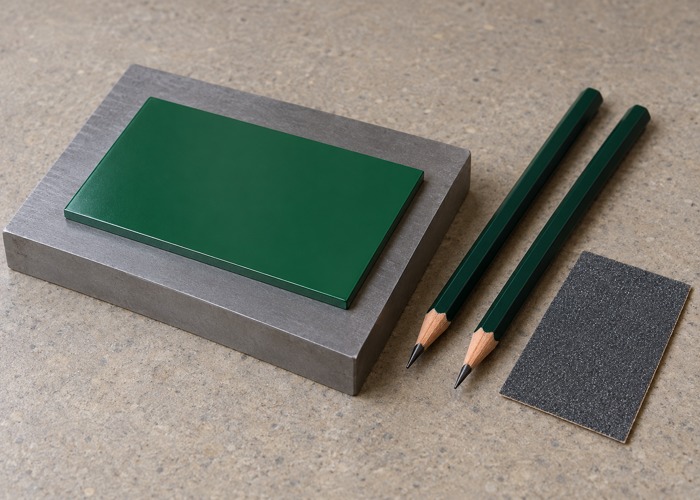
Identify the coating system and specimen
Record the coating product or controlled system identifier, batch information where required and the panel’s relationship to the production lot. Color alone is not enough to identify a coating. Two panels with similar appearance may have different materials or processing histories.
Describe the substrate, thickness and specimen geometry. If a separate flat coupon represents a fabricated part, document how it was processed and why it is suitable for the intended comparison. Do not silently treat an unrelated laboratory panel as evidence for all surfaces of a complex enclosure.
Retain the coating build required by the test plan, including the associated film thickness record. The objective is a traceable specimen description. It is not to infer pencil hardness from thickness or substitute one test for the other.
Keep conditioning and process history visible
State when the panel was coated, when it was tested and what conditioning the specified method required. Record departures from that condition and their approval. A rushed test immediately after processing should not be presented as equivalent to an agreed conditioned test without supporting justification.
Where curing evidence is required, keep the part-temperature cure record associated with the lot. A favorable pencil result alone should not erase an unresolved cure requirement. Conversely, a documented oven cycle does not automatically establish the requested scratch endpoint.
Elcometer’s pencil tester datasheet describes a comparative coating-hardness method using graded graphite pencils. That limited purpose is useful when defining the test package: the reported grade belongs to a particular method and specimen condition, rather than being a general material-strength value.
Preserve the pencil and apparatus identity
Identify the pencil manufacturer and the set used, with batch or replacement records where required by the agreed procedure. A change in consumables should be visible in the test history. The record should not suggest an unchanged comparison when the equipment or consumable conditions have changed.
Document whether the method used a holder or a permitted manual technique. Retain the applicable setup details and verification records. This article does not specify a test load, angle or stroke length; the laboratory should follow the current procedure agreed for the project.
The American Coatings Association discussion of pencil hardness highlights interpretation and method concerns. For a buyer, the useful response is to request a transparent, reproducible record rather than assume every reported pencil grade is directly interchangeable.
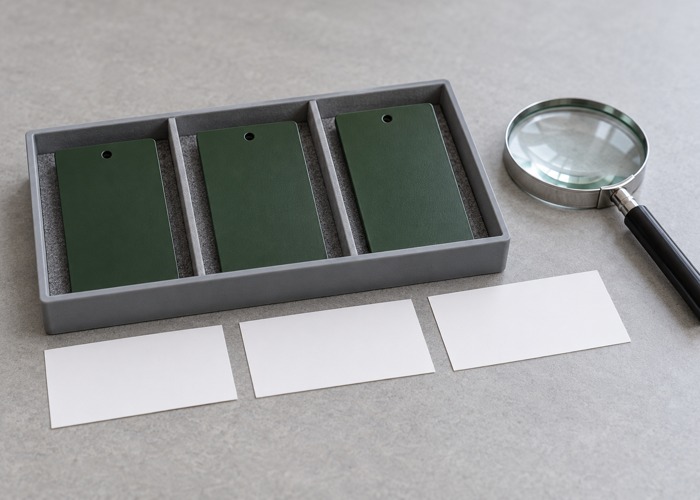
Check support and the tested location
A thin panel needs the support required by the method. Record the support arrangement and the location examined, particularly when the production part has bends, narrow flanges or limited flat areas. Do not treat a convenient test position as representative of an inaccessible area without an agreed sampling basis.
Identify previous marks or other tests on the same specimen. A location affected by earlier work can complicate interpretation. The laboratory should explain how test locations were selected and how repeated observations were kept distinct.
Testing can alter the specimen. Agree whether the panel is a retained coupon, a sacrificial part or a production component with an approved test area. Do not perform destructive checks on a customer-facing surface merely because the report template has an empty result field.
Use a report that preserves the observations
| Field | Evidence to retain | Reason |
|---|---|---|
| Identity | Coating, substrate and lot relationship | Connect the result to supplied parts |
| Procedure | Method, edition and endpoint | Define what the grade means |
| Condition | Timing and required conditioning | Make comparisons meaningful |
| Equipment | Pencil set and apparatus identity | Track changes in test conditions |
| Location | Panel position and support | Explain the tested scope |
| Result | Observations, repeats and disposition | Separate evidence from acceptance |
Photographs can help show the tested area when they retain specimen identity and adequate viewing context. They should accompany the laboratory’s interpretation, not replace it. A close crop with no location reference can be difficult to connect to the actual panel or test sequence.
Where repeated observations differ, preserve the individual results and the specified rule for reporting them. Do not average pencil grades as if they were ordinary continuous measurements unless the governing method explicitly defines such a treatment. Keep any invalid test and its reason in the supporting record.
Resolve disagreement without changing the requirement
Start by comparing endpoints, specimen condition, pencils and setup. A disagreement may reflect different test conditions rather than a change in the coating. Identify those differences before ordering another test or asking one laboratory to reproduce the other’s number.
If a referee test is agreed, define its specimen, method and decision process before the work begins. Keep the original reports and explain how the referee evidence resolves the question. A later favorable result should not silently replace an earlier finding from a different condition.
Do not extend the result beyond its scope. Pencil hardness does not replace adhesion, impact, corrosion or service-specific durability requirements. Use the complete quality assurance package to decide whether the coating system meets the actual product needs.
Agree how long the original panels and records will be retained, and who can authorize further examination. If a specimen is discarded, record that limitation. A later customer complaint may require comparing the supplied lot with the qualification sample, and that comparison is harder when the physical evidence and its identity have been lost.
Questions buyers should close before shipment
Does a high pencil grade mean a panel is scratch-proof?
No. The result describes the named test and specimen condition. Handling, abrasion and contact with other objects involve different conditions and may require separate evaluation.
Can a supplier report only pass or fail?
A summary can be useful, but the underlying grade, endpoint, method and specimen evidence should remain available. Otherwise a buyer cannot evaluate a disagreement or compare later lots.
What belongs in the inquiry?
Specify the coating system, required method, endpoint and acceptance criterion, together with the intended sampling arrangement. Contact FUMING to align the reporting scope before testing begins.