A multi-cavity mold sample submission should preserve the identity of each cavity from collection through inspection and approval. A mixed bag of acceptable-looking parts cannot show which cavity produced an outlier, whether every active cavity was represented or which tool revision the samples support. The submission needs a cavity map, sample identifiers and results that remain linked to the physical parts.
For a mold-making project with FUMING, agree this structure before the trial. The objective is a reviewable acceptance decision for the supplied configuration. It is not a universal sample-size rule or a guarantee that a few approved samples establish long-term production capability.
Freeze the cavity map before collecting parts
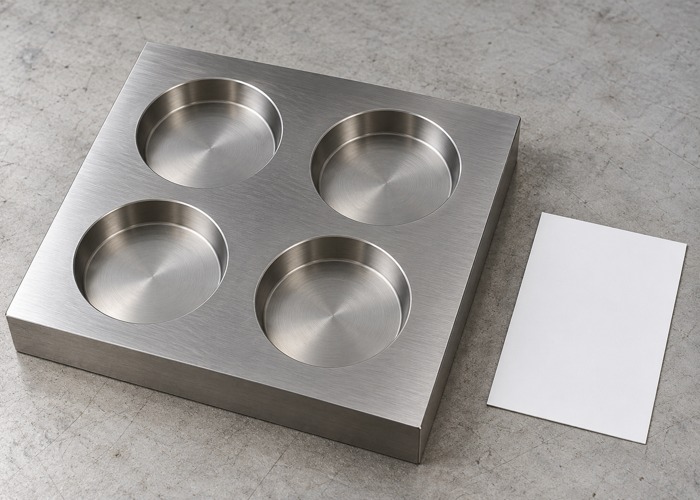
Create a controlled map showing each cavity position and its identifier, with an unambiguous viewing direction. “Upper left” is not a durable identity when a drawing can be rotated or viewed from the opposite mold half. Use the same identifiers in tooling documents, sample containers and inspection reports.
Record which cavities were active during the trial. A blocked cavity, replacement insert or temporary trial arrangement changes the represented configuration. State that condition explicitly rather than presenting a reduced-cavity run as evidence for the complete production mold.
If the part carries a molded cavity mark, verify its relationship to the map. If it does not, define another controlled collection method that preserves origin. The ability to distinguish cavities must be maintained during handling; it cannot be reconstructed reliably from appearance after similar parts have been mixed.
Keep cavity, shot and sample identities separate
A cavity identifies a tool location. A shot or collection interval identifies when a part was produced. A sample identifier distinguishes an individual retained component. These references answer different questions and should not be combined into a single unexplained sequence number.
Include the mold and part revisions, material reference and trial record. If samples are taken before and after a setting change, separate those groups. The report should make clear whether two measured parts came from different cavities under one condition or from the same cavity under different conditions.
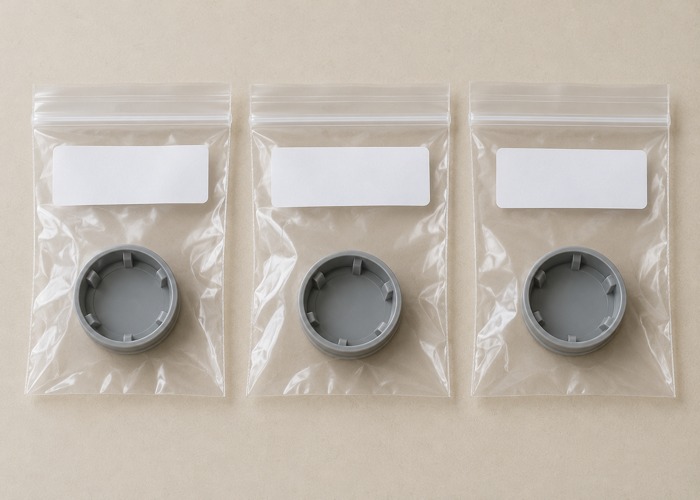
Define how identity survives trimming, measurement, testing and shipment. A removable label on a bag can work only while the correct part remains in that bag. If a test consumes the sample, retain the required record of its original identity and result rather than silently replacing it with another part.
Review results by cavity before combining them
A combined average can hide a difference between cavities. Review the individual results and cavity groupings before presenting an overall summary. The same principle applies to dimensions, appearance and functional observations: the report should preserve where a deviation occurred.
RJG’s discussion of part weight and molding quality identifies cavity-to-cavity variation among the factors that a single output measure can miss. Weight can be useful within an approved plan, but it should not replace required dimensional or functional evidence.
Do not infer process capability from a small collection of favorable samples. If capability analysis is required, agree the data collection and analysis plan separately. A trial submission should state what its observations demonstrate and what remains outside its coverage.
Define coverage according to the acceptance question
Identify which characteristics require inspection on samples from each cavity and which other checks follow a different agreed plan. Include dimensions, cosmetic features and functional requirements that matter to the part. Avoid assuming that identical nominal cavity geometry makes every cavity’s output interchangeable without evidence.
The sampling plan should identify production conditions and collection intervals relevant to the trial objective. A single startup shot and samples taken after a defined stable condition represent different evidence. Retain the actual collection basis instead of giving every group the same generic “trial sample” label.
If the requested sample quantity or test coverage cannot be completed, document the missing scope. Do not quietly substitute more parts from an accessible cavity. The acceptance owner needs to know which cavities and requirements remain unrepresented before making a release decision.
Connect process records without overstating them
When cavity-pressure or other in-mold data is available, retain the channel-to-cavity map and its revision. A curve cannot support cavity-specific interpretation if the channel identity is uncertain. Record sensor locations and the configuration relevant to the trial through the responsible technical team.
Kistler’s cavity-pressure overview explains how pressure profiles support observations during molding. These data can strengthen an investigation, but the project’s acceptance plan must establish how they relate to the required part characteristics.
RJG’s in-cavity data discussion describes variation between machine-side conditions and what occurs in the mold. Preserve that distinction in the report. A machine setting alone is not a measurement of every cavity’s result, and a process curve is not a substitute for every required product test.
Build one evidence chain for the submission
| Reference | Required connection | What it prevents |
|---|---|---|
| Cavity map | Tool position to stable cavity ID | Orientation and numbering confusion |
| Trial identity | Tool revision, material and process record | Mixing results from different configurations |
| Sample ID | Individual part to cavity and collection interval | Loss of origin during handling |
| Inspection row | Characteristic to actual sample and result | Untraceable averages or copied values |
| Disposition | Deviation to affected cavity and requirement | Ambiguous approval scope |
| Resubmission | Changed configuration to new evidence | Using obsolete samples as current approval |
Keep photographs indexed to the same sample identifiers. For cosmetic findings, include a view that locates the feature and a closer view when necessary. A folder of unlabeled close-ups may show a defect clearly while failing to establish which cavity needs investigation.
The mold trial report should reference this sample record instead of creating a second numbering system. This reduces the chance that a tool-change action is closed using evidence from the wrong sample group.
Leave missing measurements visibly incomplete rather than entering zero or copying another sample value. Identify a damaged or unavailable sample and the approved replacement collection. If a cavity produced no retained part during an interval, preserve that gap. A complete-looking spreadsheet must not hide an incomplete submission or imply that every planned observation was actually made.
Handle cavity-specific changes with clear approval scope
If one cavity is repaired or adjusted, identify the changed component and revision. Agree which checks must be repeated for that cavity and whether the change affects other cavities or the common process. Neither automatic full approval nor automatic isolation is justified without considering the actual change.
Retain the previous results as history and label the new submission distinctly. Do not replace only the most favorable measurements in an old report. The reviewer should be able to see which configuration produced each result and which observations support the final disposition.
Connect the released cavity map and retained samples to the mold transfer package. At the receiving site, changes to inserts, active cavities or process configuration should trigger review of the affected evidence. Historical approval belongs to its documented conditions.
Questions buyers often ask
Can one good cavity approve the whole mold?
Not by itself. Approval depends on the agreed coverage and acceptance criteria, with the represented cavities and conditions clearly identified.
Does a cavity number on the part complete traceability?
No. It identifies a source location only when it matches the controlled map. The part still needs a connection to the trial, material and inspection records.
What should accompany the request for samples?
Provide the drawing, cavity map expectations and required inspection coverage. Include the plan in the quality assurance package and contact FUMING to agree sample identification and approval responsibilities before trial collection.